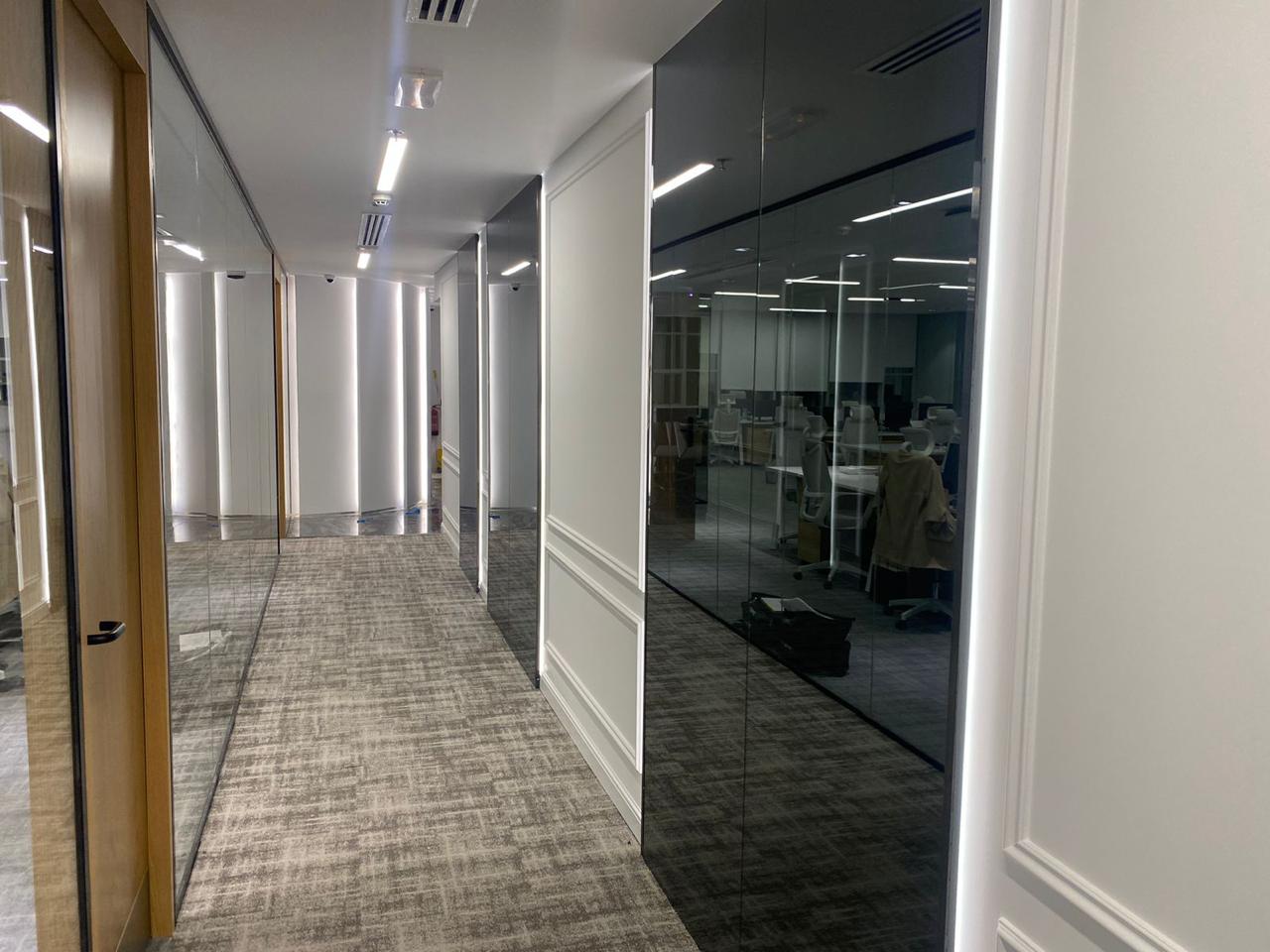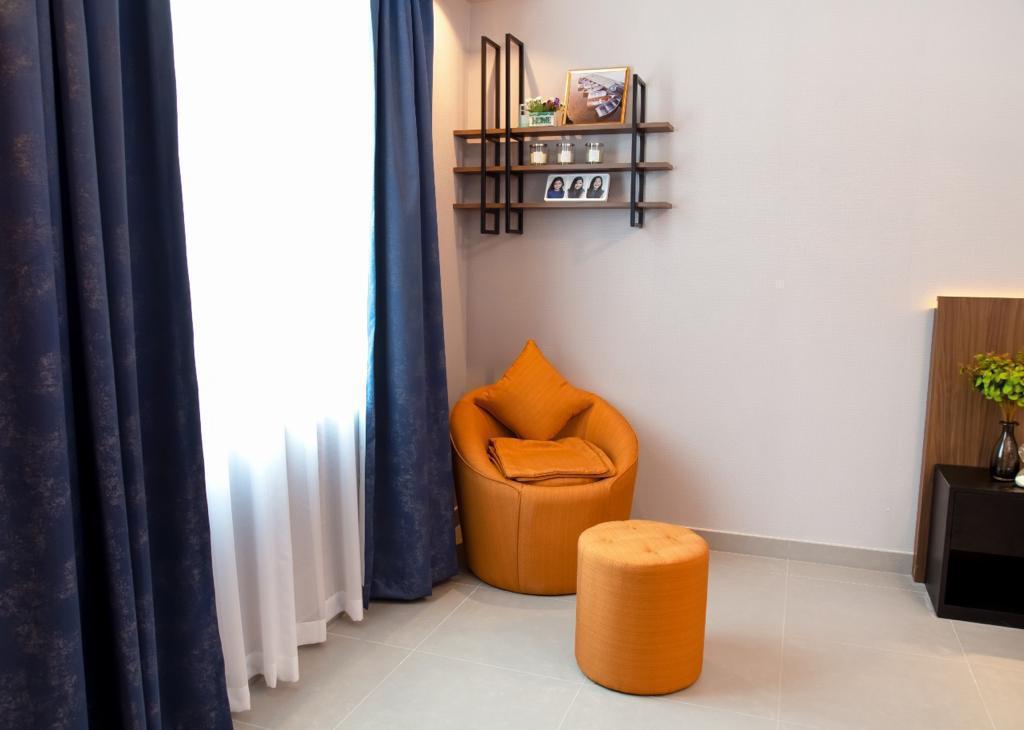
In an era dominated by mass-produced flatpack commercial cabinetry, bespoke architectural joinery remains the defining hallmark of true luxury in the built environment. Whether in an executive boardroom overlooking Dubai's skyline or a private presidential villa on Palm Jumeirah, custom timber millwork establishes an irreplaceable sense of permanence, tactile warmth, and artisanal heritage.
The False Dichotomy: Hand Craftsmanship vs. Modern Automation
Within the architectural millwork industry, a long-standing debate has pitted traditional artisanal cabinetmaking against computerized industrial automation. Conventional wisdom suggests that automation strips woodwork of its soul, while pure hand craftsmanship cannot achieve the micron-tolerances or delivery velocity required for high-pressure commercial fit-outs.
"Automation without craftsmanship produces cold, lifeless boxes. Craftsmanship without technology produces crippling project delays. The zenith of modern joinery exists precisely at their intersection."
At Al Omair Interiors' dedicated manufacturing facility in Industrial Area 17, Sharjah, we have united these two worlds. Advanced European 5-axis CNC machining handles complex geometric sculpting and precision mortise-and-tenon joinery, liberating our master craftsmen to focus on book-matched veneer selection, intricate hand marquetry, and flawless multi-stage hand finishing.
Technical Insight: Why 5-Axis CNC Machining Matters
Traditional 3-axis CNC machines cut timber exclusively along X, Y, and Z axes from above. Our 5-axis European machining centers rotate the cutting spindle across two additional rotational axes (A and B) simultaneously. This enables compound curves, 3D fluted acoustic wall profiles, and organic parametric reception counters to be carved from solid blocks of hardwood without human repositioning error.
The 4 Pillars of Al Omair Interiors' Millwork Standard
1. Climate-Controlled Timber Acclimatization
The Arabian Gulf's extreme climatic shifts—ranging from intense exterior summer humidity to relentless 20°C interior air conditioning—are notoriously destructive to poorly cured timber. Uncontrolled wood contracts, warps, and cracks at the joints. We subject all imported European timber slabs and exotic veneers to strict moisture testing (maintaining internal moisture content between 8% and 10%) in climate-controlled stabilization bays prior to cutting.
2. Book-Matched Veneer Artistry & Inlays
Every log of natural timber possesses a unique fingerprint. Our veneer artisans manually select consecutive leaves of European walnut, quarter-cut white oak, and smoked eucalyptus, hand-stitching them into stunning symmetrical book-matched or slip-matched architectural murals. We then integrate precision laser-cut brushed brass, liquid metal, and PVD titanium metal inlays.
3. Civil Defense Certified Fire-Rated Doors
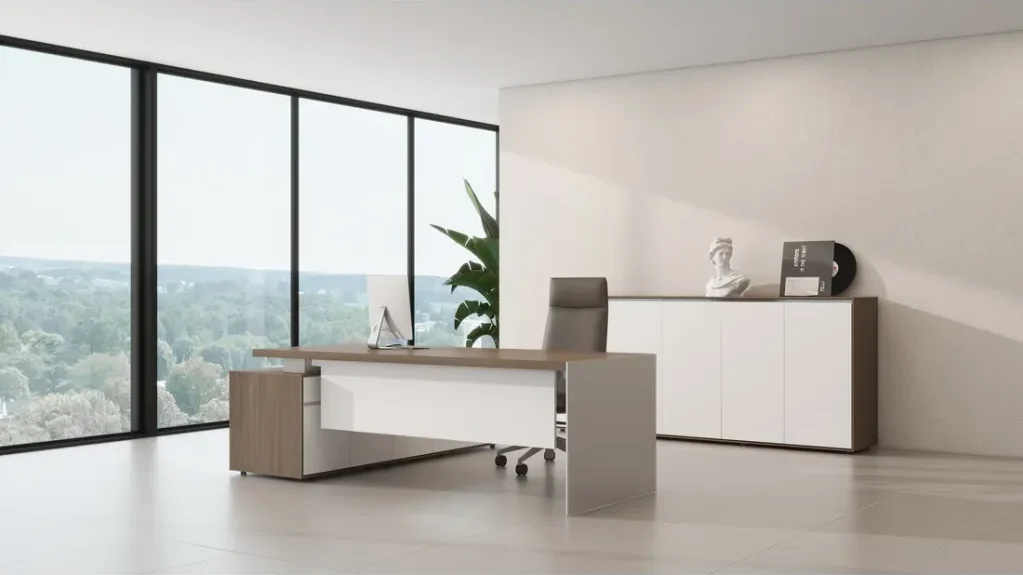
Commercial joinery is not merely aesthetic; it is life safety engineering. Our facility manufactures certified 30, 60, 90, and 120-minute fire-rated timber doors rigorously tested to BS 476 Part 22 and EN 1634 standards. Incorporating concealed intumescent perimeter seals, acoustic drop thresholds, and high-security ironmongery, our doors carry serial Civil Defense certification tags for seamless handover.
4. Multi-Stage Cleanroom Spray Finishing
A masterwork of joinery can be ruined by a single dust nib in the topcoat. Our climate-controlled pressurized spray booths feature water-curtain filtration and infrared drying tunnels. We apply high-solid Italian polyurethane (PU) lacquers, 100% dead-matt natural oil finishes, and mirror-like 100-sheen polyester piano gloss coatings tested for chemical and scratch resistance.
Timber Species Guide for Gulf Architecture
| Timber Species | Origin | Grain Character | Ideal Architectural Application |
|---|---|---|---|
| European Walnut (Juglans Regia) | Central Europe | Deep mocha with golden undertones | Executive boardroom tables & C-suite panelling |
| Crown Cut White Oak | North America | Prominent cathedrals; light golden wheat | Contemporary retail flagships & hospitality lounges |
| Smoked Eucalyptus | Iberian Peninsula | Dark espresso with dramatic figure | Feature lobby portals & luxury villa majlis suites |
| Santos Rosewood | South America | Rich red-amber with chocolate ribboning | High-end custom casegoods & presidential desks |
Architectural Checklist for Specifying Joinery
- Always verify that timber veneers originate from FSC-certified sustainably managed forests.
- Require factory shop drawings in 3D BIM (LOD 400) showing exact grain orientation and edge banding details.
- Specify solid timber lippings (minimum 8mm to 10mm) beneath all veneered edges to resist impact damage.
- Inspect veneer batches under balanced 4000K lighting before pressing to ensure grain consistency across panels.
- Require Civil Defense laboratory test certificates for all corridor and stairwell fire exit doors.
Experience In-House Factory Joinery Precision
Tour our state-of-the-art Sharjah facility, examine timber veneer samples, or discuss custom executive casegoods with our production directors.
Explore More Architectural Insights
Deep-dive perspectives from Al Omair Interiors' engineering and design directors.
Acoustic Engineering in Modern Boardrooms: Achieving 54dB
Read Article →
Workplace Evolution 2026: Hybrid GCC Offices
Read Article →